Player level · Intermediate
Intermediate Padel Rackets: Step Up Your Game
Your contact is consistent and you're starting to attack — now the racket can start working for you. Here's the spec that adds pace and control without losing forgiveness, the frames worth the upgrade, and what to avoid.
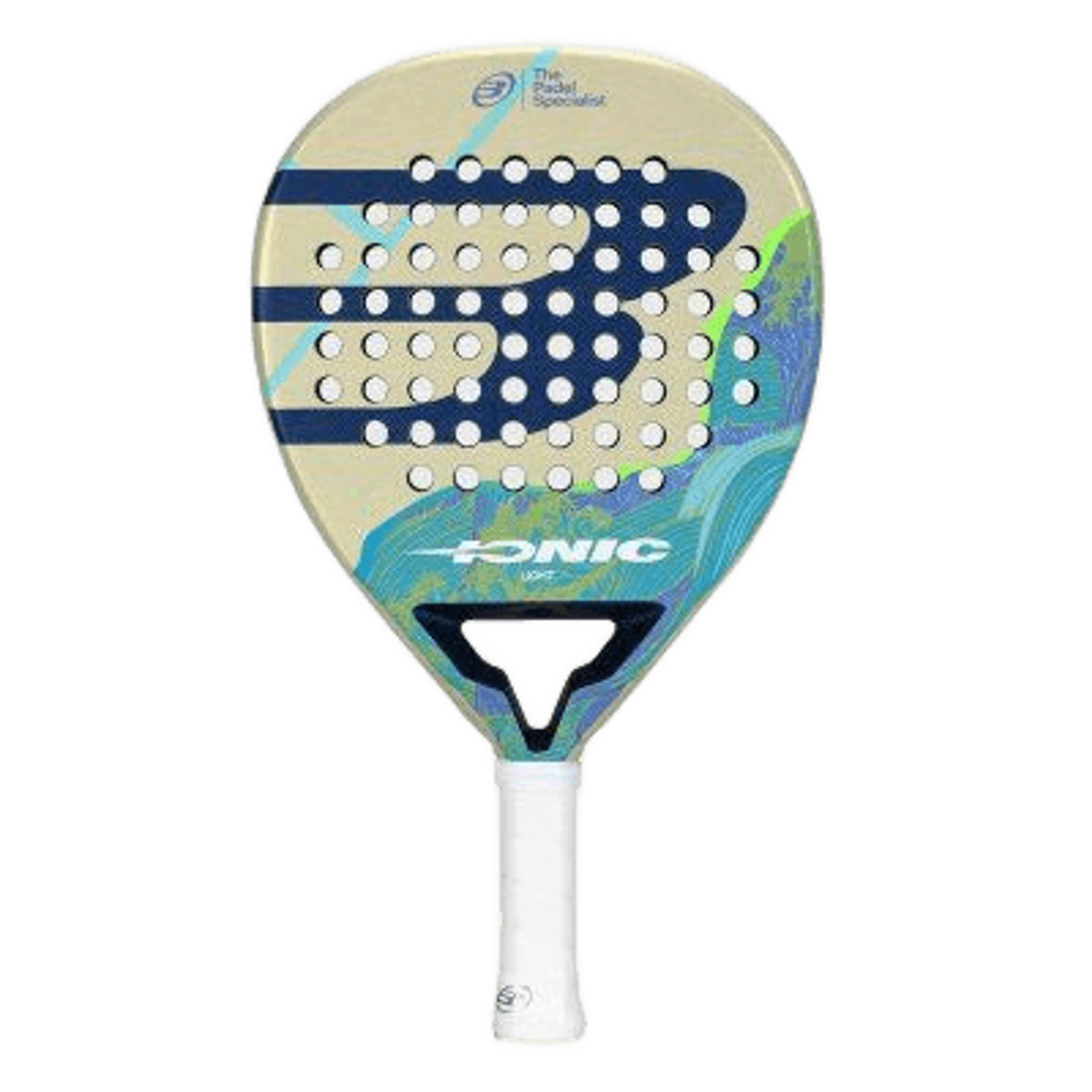
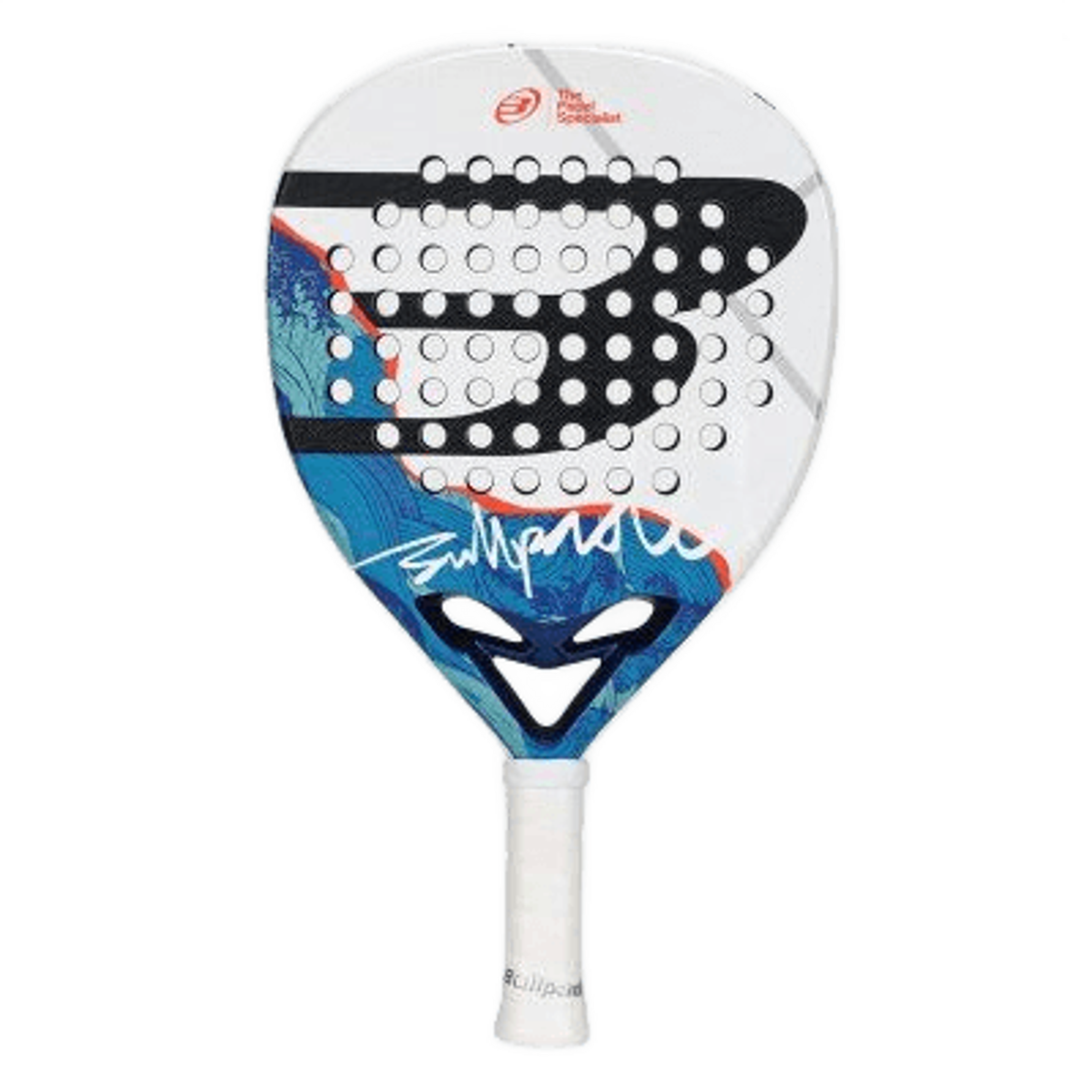
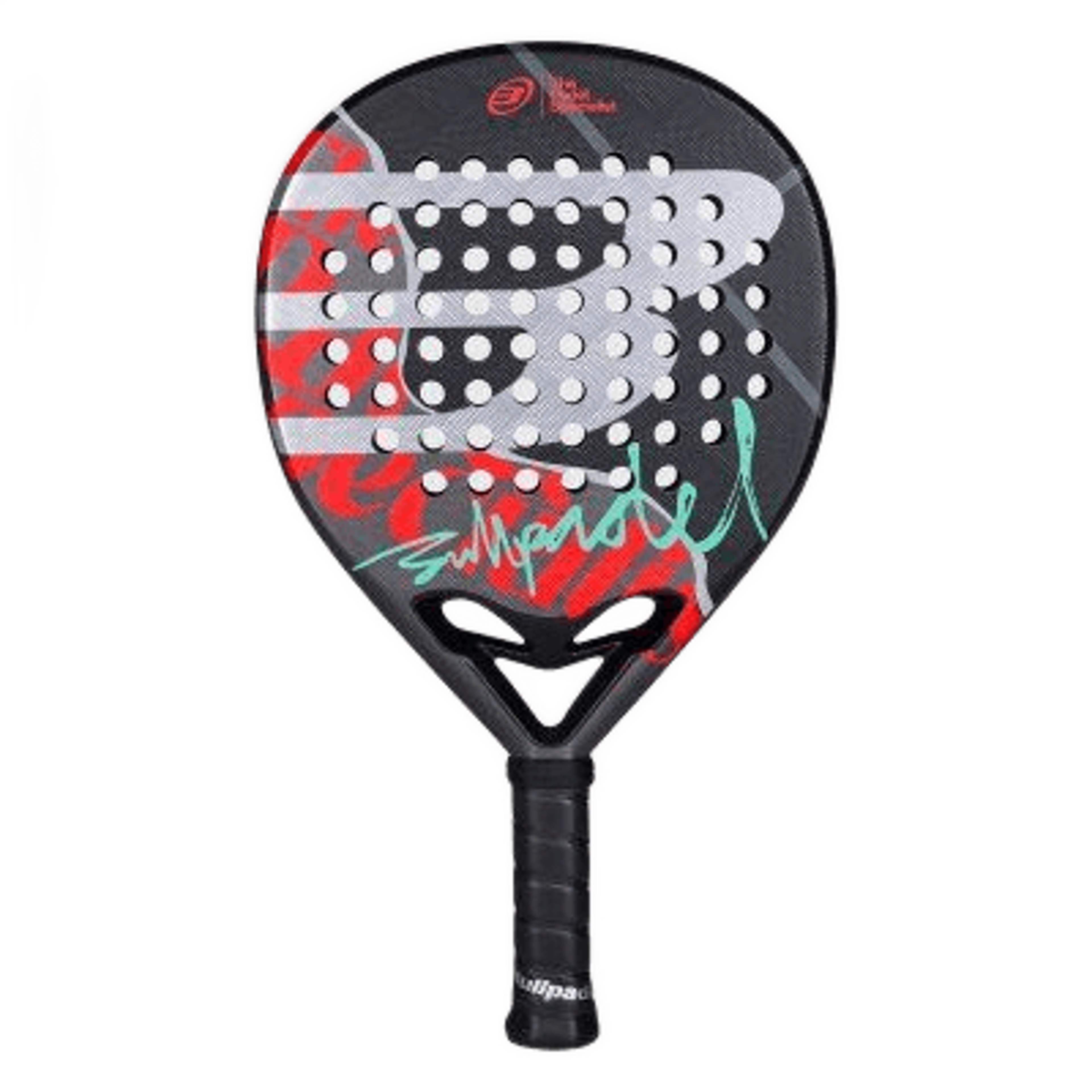
Top intermediate padel rackets this season

Which shape for an intermediate player?
At intermediate level you can start to choose based on your game style, not just forgiveness.
Round
Still a great choice if you favour control and defence. You give up some pace versus a teardrop, but keep the biggest sweet spot.
See round rackets →Teardrop
The natural step up: an even balance blends control and power, rewarding your cleaner contact without punishing the occasional miss.
See teardrop rackets →Diamond
Worth trying if you're an aggressive, net-forward player with a fast swing. Demanding, but no longer off-limits at this level.
See diamond rackets →| Spec | What to look for |
|---|---|
| Shape | Teardrop (round for control) |
| Balance | Even / medium |
| Weight | 365–375 g |
| Core | Medium EVA |
Weight barely changes between levels — most frames sit ~360–380 g. What moves at intermediate is shape toward teardrop and balance toward even — that's where the extra pace and control come from.
Is this you?
The intermediate player
- Your contact is consistent — you can place the ball and you're starting to add pace on purpose.
- You play regularly and you've started thinking about positioning and shot selection, not just getting it back.
- You're ready to trade a little forgiveness for more control and power.
Getting it right at intermediate level
What the intermediate spec gives you
- +More pace and put-away power than a beginner frame
- +Better feel and control on volleys
- +A frame that rewards your improving technique
- +Versatility across attack and defence
Common intermediate buying mistakes
- ✕Jumping straight to a diamond or hard-core frame before your swing can use it — you'll lose more to mishits than you gain in power
- ✕Upgrading too early — if your contact isn't yet consistent, a more demanding frame makes you worse, not better
- ✕Buying a 'player's frame' at intermediate because you saw it at a club — specs matter more than status
Intermediate rackets — frequently asked
When should I upgrade from my beginner racket?
When your contact is reliable and your beginner frame starts to feel limiting on attacking shots — you're swinging cleanly but the ball isn't going as hard as you intend. That's the sign a more even-balanced teardrop will reward you rather than punish you.
Should an intermediate switch to a teardrop?
For most players, yes — it's the natural home base at this level, blending control and power. If you play a defensive, control-first game you can happily stay on a round; the teardrop is a recommendation, not a rule.
Is a harder core better at intermediate?
A medium EVA is a sensible step up. It adds response and pace over a soft beginner core without the vibration of a fully hard, advanced core. Move up in firmness only once your technique is consistent and you're comfortable with it.
Can I play diamond as an intermediate?
You can, if you're an aggressive, net-forward player with a fast swing — it's no longer off-limits. But the small, high sweet spot still punishes mishits, so most intermediates get more from a teardrop. Try one before committing.
How much should an intermediate racket cost?
Mid-range frames offer the best value at this level — you get a proper teardrop, decent carbon and a medium core without paying for pro-tier materials you can't yet exploit. Spending up to a flagship rarely improves an intermediate's results.
Brands for intermediate players
Where each brand fits at this level — click to browse their intermediate range.