
Teardrop Padel Rackets: What They Are & Which Brands Make Them
The face widens at roughly 60–65% of its height, shifting the sweet spot 15–20 mm higher than a round — enough to add pop on mid-drive shots without shrinking the forgiveness zone.
The mechanics
What makes a teardrop racket different?
- The sweet spot sits in the middle of the face — a balance of reach, power and forgiveness.
- An even balance keeps it quick at the net while still driving through the ball.
- It's the most versatile, all-court shape — capable on defence, attack and at the net.
- Best for: intermediate to advanced players who want power and control in one frame.
Round vs. Teardrop vs. Diamond
The three shapes describe where the weight and sweet spot sit — which is what actually changes how a racket plays. Here's how teardrop compares.
Round | Teardrop | Diamond | |
|---|---|---|---|
| Sweet spot | Centered & low — largest, most forgiving | Middle of the face — balanced reach | High, near the tip — smallest, demands precision |
| Balance | Toward the handle (low) | Even / medium | Toward the head (high) |
| Control | Highest | Balanced | Lowest — favours power |
| Power | Lowest — you supply it | Moderate — balanced | Highest — maximum put-away |
| Forgiveness | Very high | Medium | Low — punishes mishits |
| Best for | Beginners, defenders, all-rounders | All-court, intermediate–advanced | Aggressive, advanced–pro |
Shape is only one of three independent levers — balance, core hardness and weight also determine how a racket plays.
No shape is perfect
No shape is "best" — each is a set of compromises. Here's what you're really signing up for with a teardrop racket.
✓ Advantages
- +A genuine blend of power and control — no glaring weakness
- +The most versatile shape — capable on defence and attack
- +More pace than a round, without a diamond's harshness
- +The safest single-racket choice as your game evolves
⚠ Disadvantages
- –Not the most forgiving — a round has a bigger sweet spot
- –Not the most explosive — a diamond hits harder on smashes
- –'Master of none': it won't be the best at any single thing
Teardrop rackets by brand
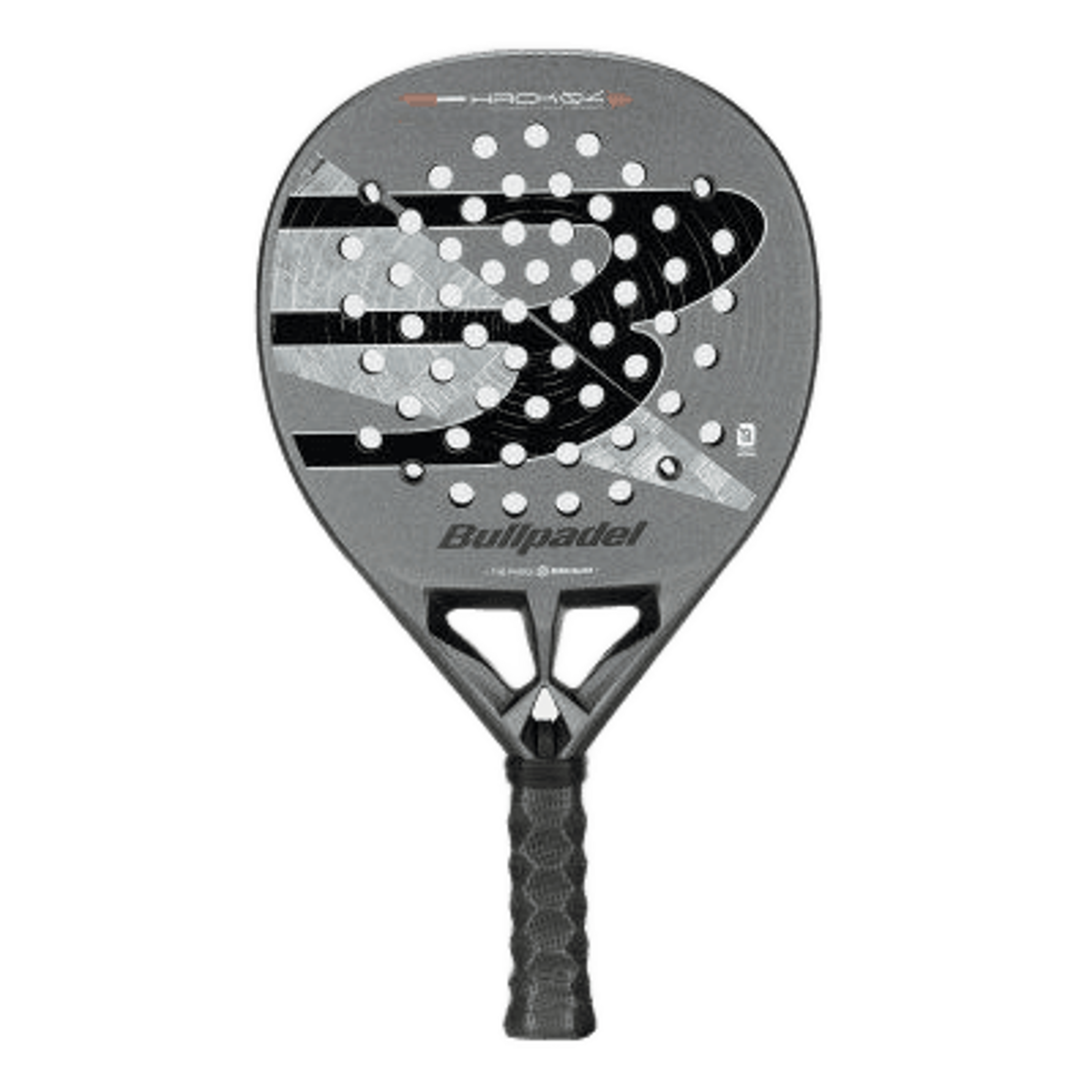
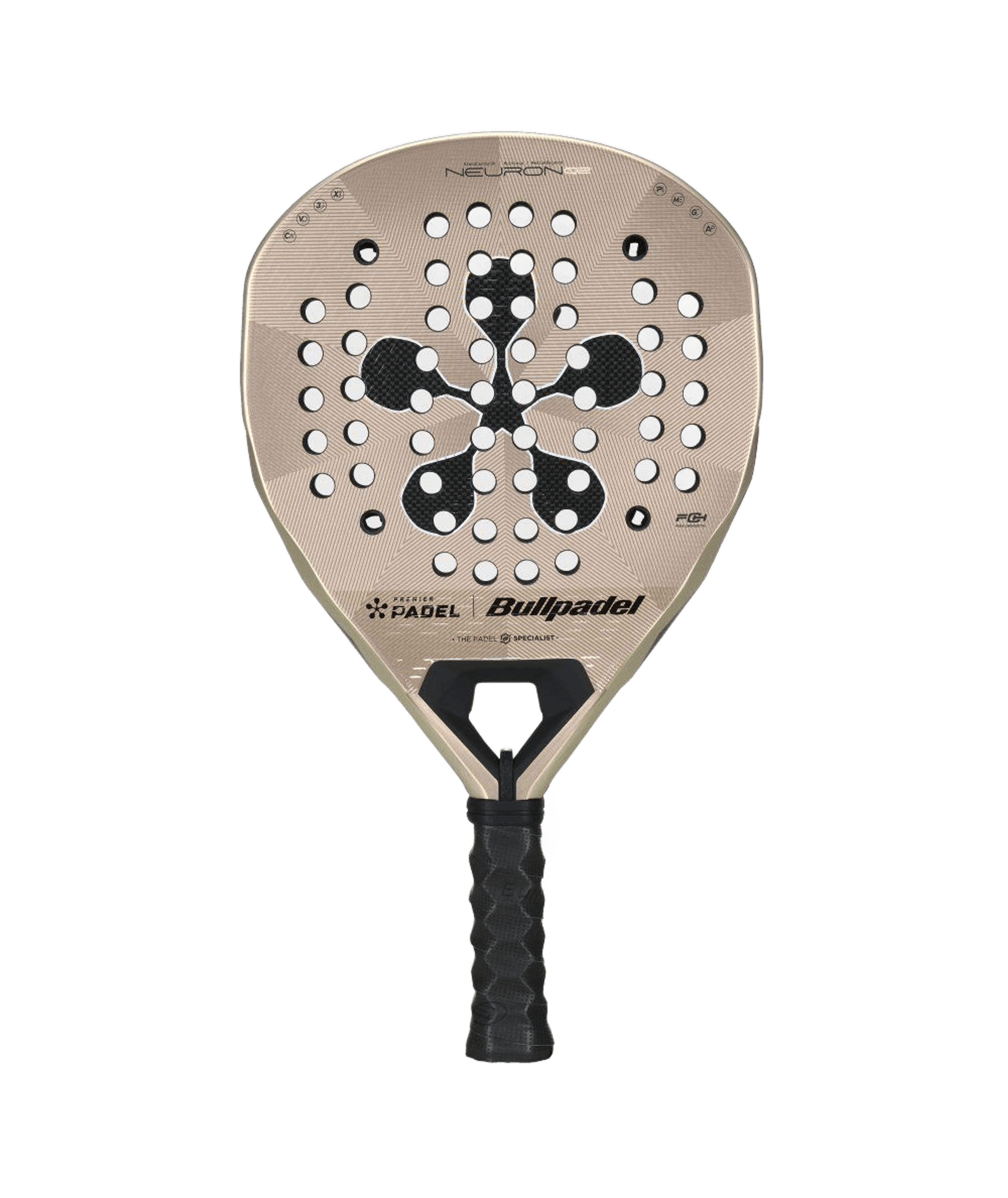
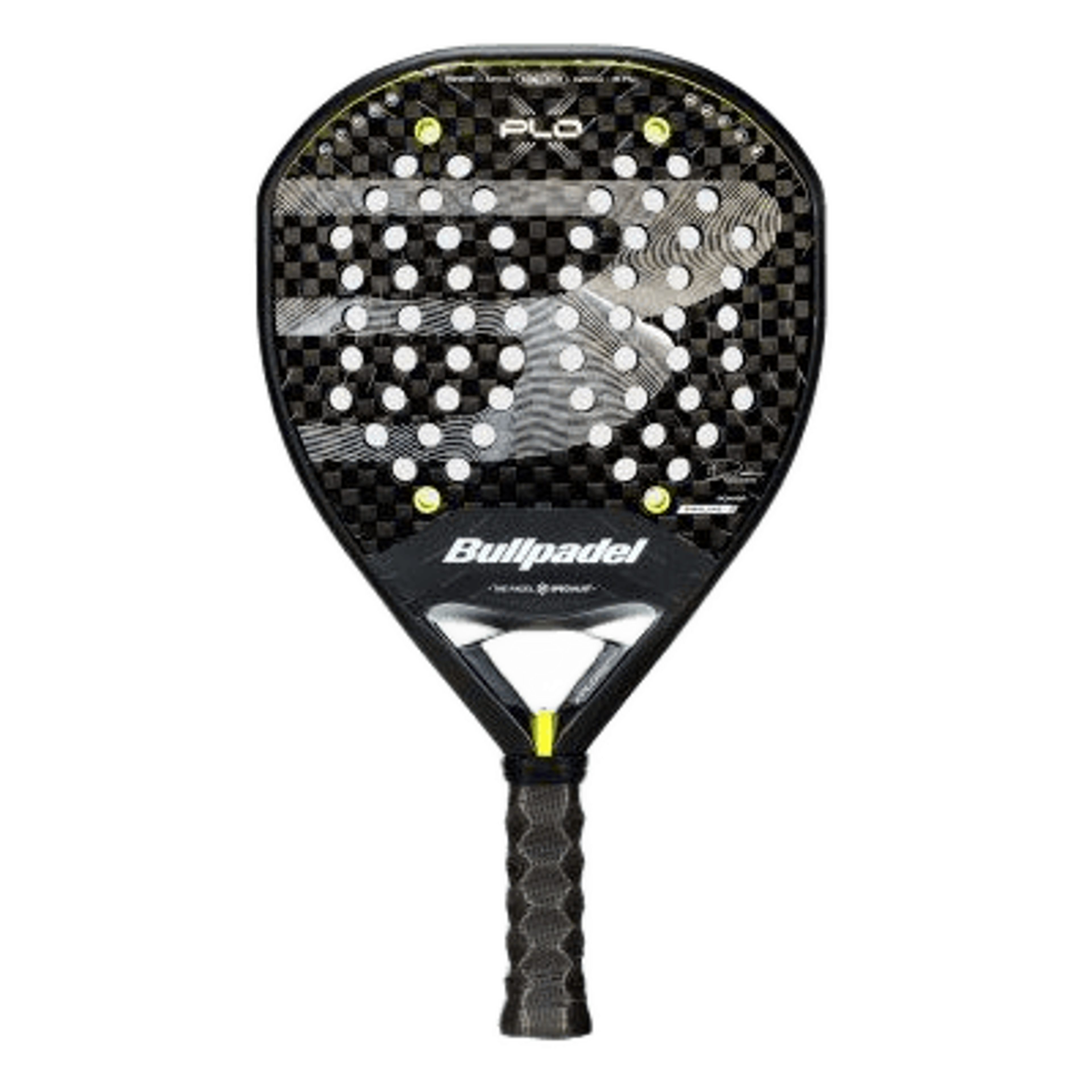
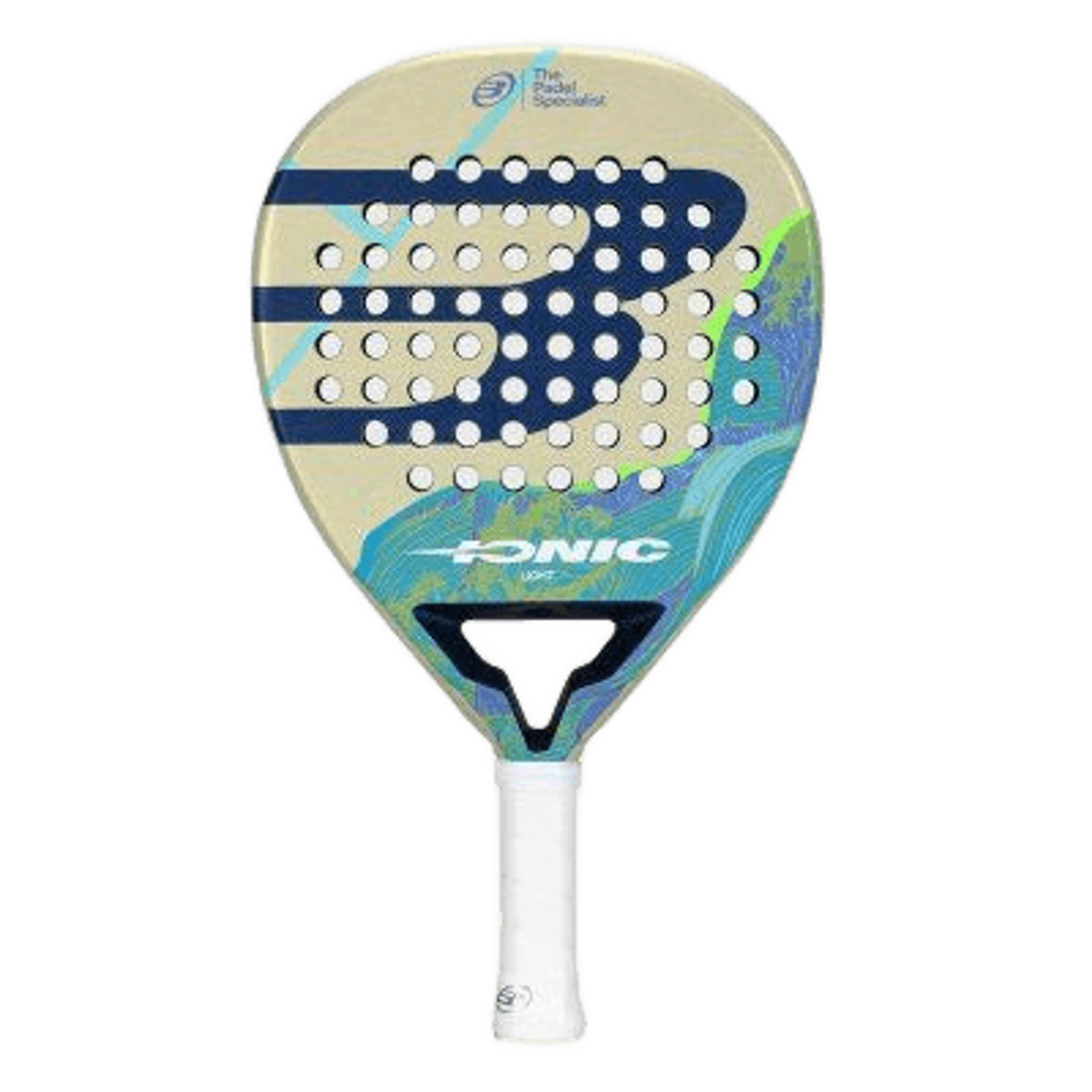
5 brands carry teardrop models — click any brand to browse their catalog filtered to teardrop rackets only.




Beyond the shape
How to choose your teardrop racket
01
Weight
Lighter frames (360–365 g) are easier to swing and kinder to the arm; heavier ones add stability and pace. Most all-court players sit in the 365–370 g range.
02
Balance
Teardrop balance typically sits 255–270 mm from the handle — slightly higher than a round, adding pop on mid-drive shots without losing net quickness.
03
Core hardness
Teardrop + soft core = a control-oriented all-rounder; teardrop + hard EVA = the most common advanced setup — power from the shape, precision from the core.
04
Face material
Fibreglass faces are softer and more forgiving; carbon (3K/12K/18K) faces are stiffer and more durable, adding control and bite for stronger players.
Teardrop rackets — frequently asked
Is teardrop harder to play than round?
Slightly. A teardrop's sweet spot sits higher and is a touch smaller than a round's, so it rewards cleaner contact. If you're a complete beginner a round is more forgiving, but once you're hitting consistently the teardrop is the natural step up — and most players adapt within a few sessions.
Teardrop or diamond — which gives more power?
A diamond hits harder on the smash — its head-heavy balance puts more mass behind the ball. But that power costs control and shrinks the sweet spot. A teardrop gives you most of the attacking pace with far more forgiveness and easier handling, which is why it's the more versatile choice for the majority of players.
Why is teardrop called the 'all-court' shape?
Because its even balance and mid-face sweet spot don't force a trade-off. You can defend, volley at the net and attack overheads without the racket fighting you. That balance is why most intermediate-to-advanced all-rounders — and many pros — play a teardrop.
Round, teardrop or diamond — which should I pick?
Round for control, comfort and forgiveness (great while learning). Diamond for maximum power if you're an advanced, aggressive player with clean technique. Teardrop sits in between — the best single-racket choice if you want to do a bit of everything and let your game grow into it.