
Round Padel Rackets: What They Are & Which Brands Make Them
The most forgiving shape: a centered sweet spot, a wider margin for error, and a balance built for control players.
The mechanics
What makes a round racket different?
- The sweet spot sits in the center of the face — so off-center hits are far more forgiving.
- Weight is distributed toward the handle, giving better control and less wrist fatigue.
- Softer core materials are common, which absorbs vibration and protects the elbow.
- Best for: beginners, defensive / baseline players, and all-rounders.
Round vs. Teardrop vs. Diamond
The three shapes describe where the weight and sweet spot sit — which is what actually changes how a racket plays. Here's how round compares.
Round | Teardrop | Diamond | |
|---|---|---|---|
| Sweet spot | Centered & low — largest, most forgiving | Middle of the face — balanced reach | High, near the tip — smallest, demands precision |
| Balance | Toward the handle (low) | Even / medium | Toward the head (high) |
| Control | Highest | Balanced | Lowest — favours power |
| Power | Lowest — you supply it | Moderate — balanced | Highest — maximum put-away |
| Forgiveness | Very high | Medium | Low — punishes mishits |
| Best for | Beginners, defenders, all-rounders | All-court, intermediate–advanced | Aggressive, advanced–pro |
Shape is only one of three independent levers — balance, core hardness and weight also determine how a racket plays.
No shape is perfect
No shape is "best" — each is a set of compromises. Here's what you're really signing up for with a round racket.
✓ Advantages
- +The biggest, most central sweet spot — mishits still land
- +Better control and placement on every shot
- +Easier handling and faster reactions at the net
- +Lower vibration — gentler on the elbow over a long match
⚠ Disadvantages
- –Less free power — you have to generate pace yourself
- –Less explosive on smashes than a diamond
- –Can feel 'too safe' for aggressive, attacking players
Round rackets by brand
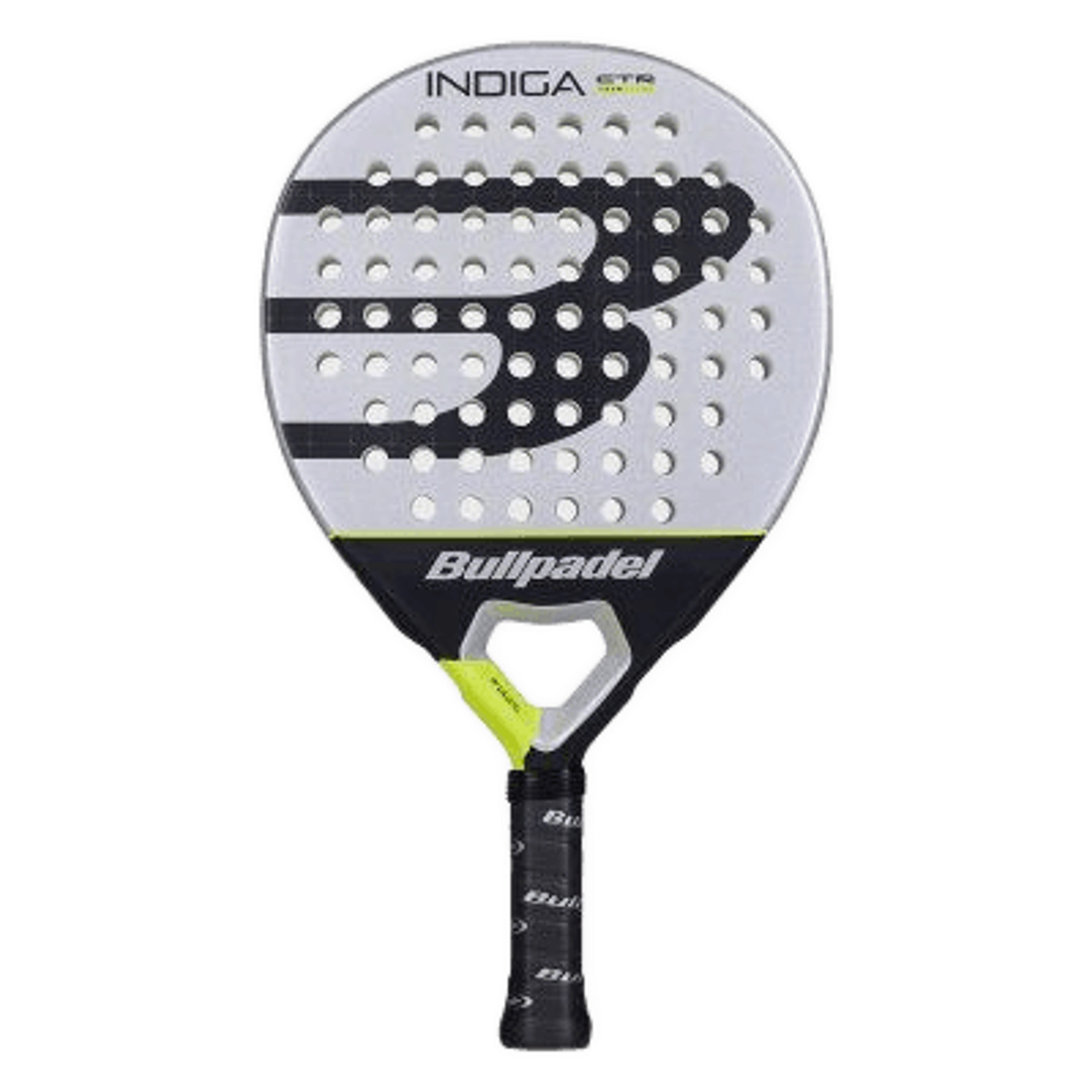
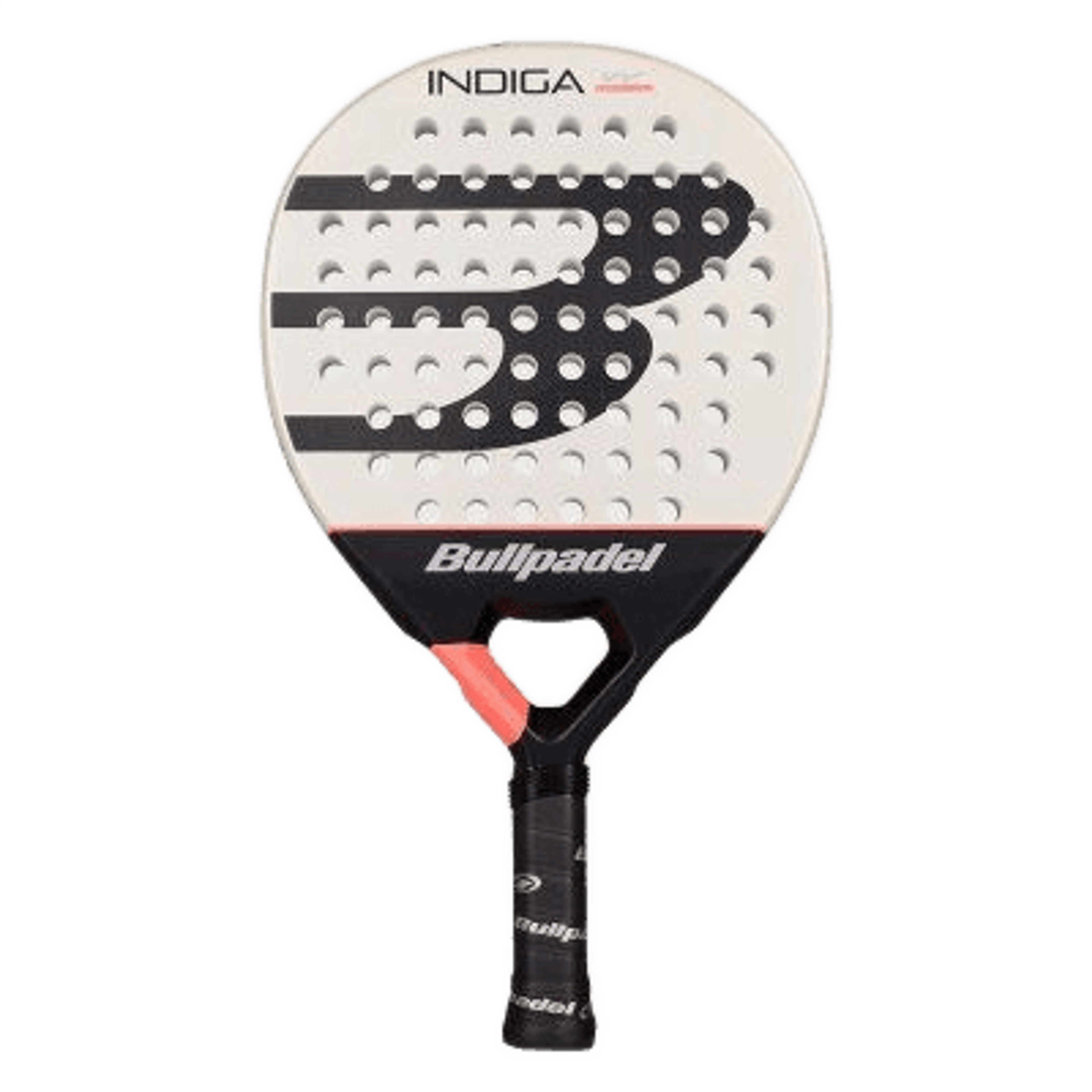
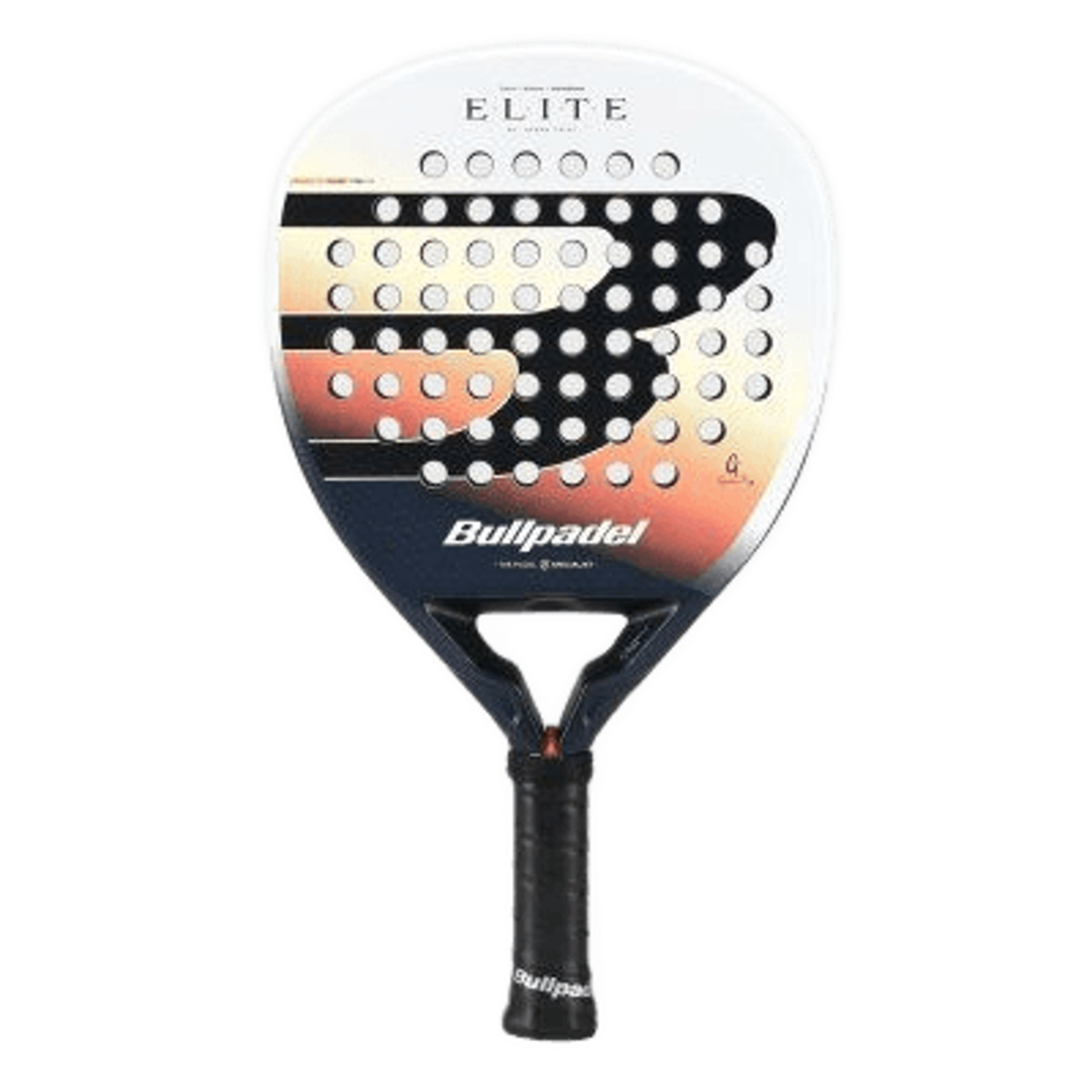
4 brands carry round models — click any brand to browse their catalog filtered to round rackets only.





Beyond the shape
How to choose your round racket
01
Weight
Lighter frames (360–365 g) are easier to manoeuvre and kinder to the arm; heavier ones give more stability and bite. Most control players sit in the 365–370 g range.
02
Balance
Round rackets are usually handle-heavy (low balance) — quicker at the net and more defensive. Some 'hybrid' rounds nudge the balance up for a little extra punch.
03
Core hardness
Round ≠ soft. A soft foam core maximises comfort and control; a harder EVA in a round shape gives advanced players response without losing the forgiving sweet spot.
04
Face material
Fibreglass faces are softer and more flexible (great for beginners); carbon faces are stiffer, more durable and add control for stronger players.
Round rackets — frequently asked
Are round rackets only for beginners?
No. They're the easiest shape to start with, but plenty of advanced and even professional players — especially defensive, baseline-oriented ones — choose round rackets for the control and the forgiving sweet spot. Pair a round shape with a harder core and you get a frame that suits high-level control play.
Do round rackets really have less power?
Compared to a diamond, yes — the lower balance and centered sweet spot trade top-end power for control and consistency. But a heavier round racket with a carbon face can still drive the ball well. You simply supply more of the pace yourself, which most control players prefer.
Is a round racket good for tennis elbow?
Often, yes. The combination of a low balance, a large sweet spot and (frequently) a softer core reduces the vibration and off-centre shock that aggravate elbow pain. If arm comfort is your priority, look for a round racket with a soft foam core and a moderate weight.
Round or teardrop — which should I pick?
Choose round if your priority is control, comfort and consistency, or you're still developing. Choose teardrop if you want a balance of power and control and you already make fairly clean contact. Teardrop is the natural next step for a round player who wants a bit more pace without jumping to a demanding diamond.