
Player level · Beginner
Beginner Padel Rackets: Where to Start & What to Buy
You don't need an expensive racket to start — you need a forgiving one. Here's what actually matters for your first frame, the models worth buying, and the mistakes that cost beginners money and elbows.
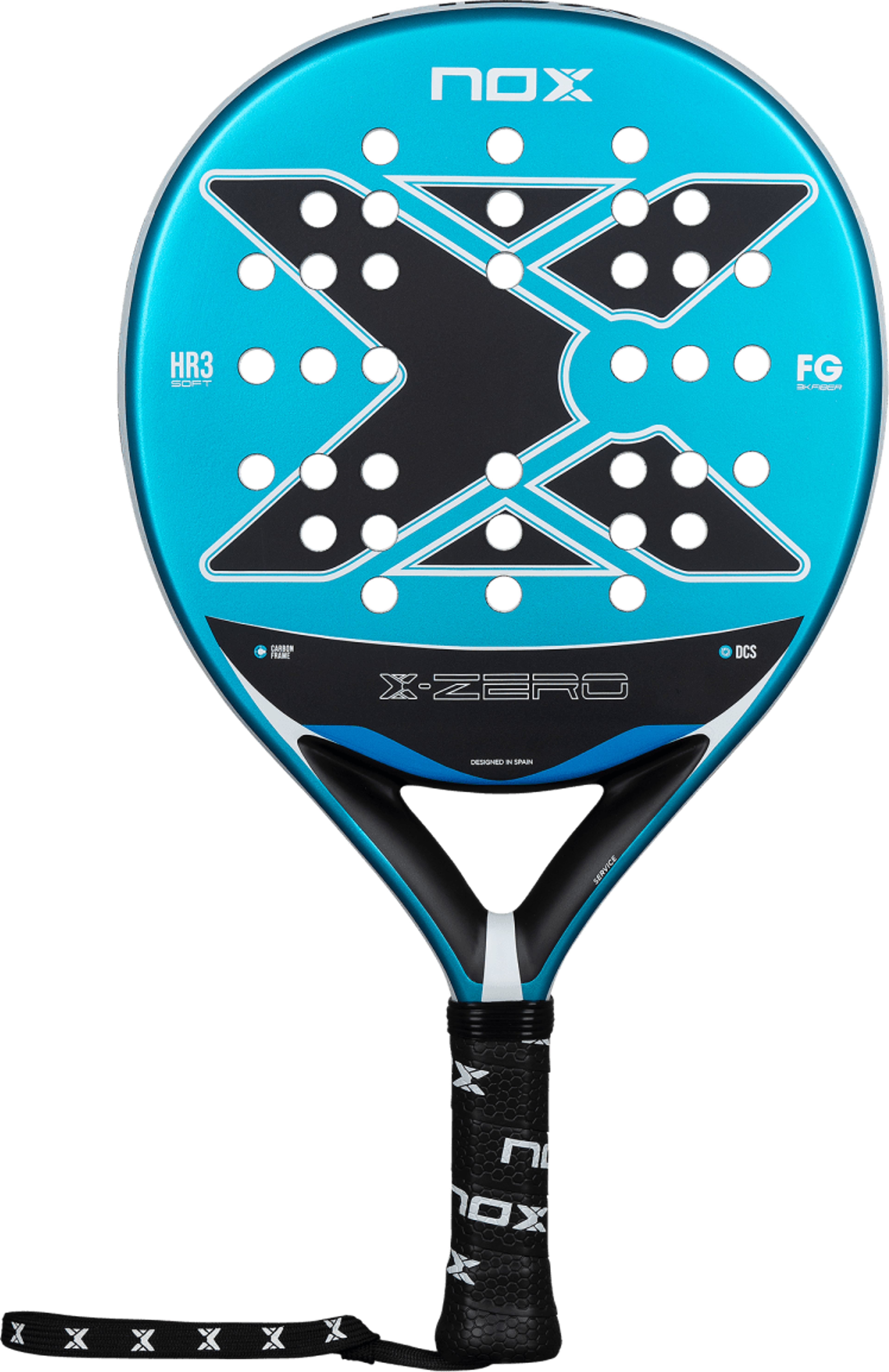
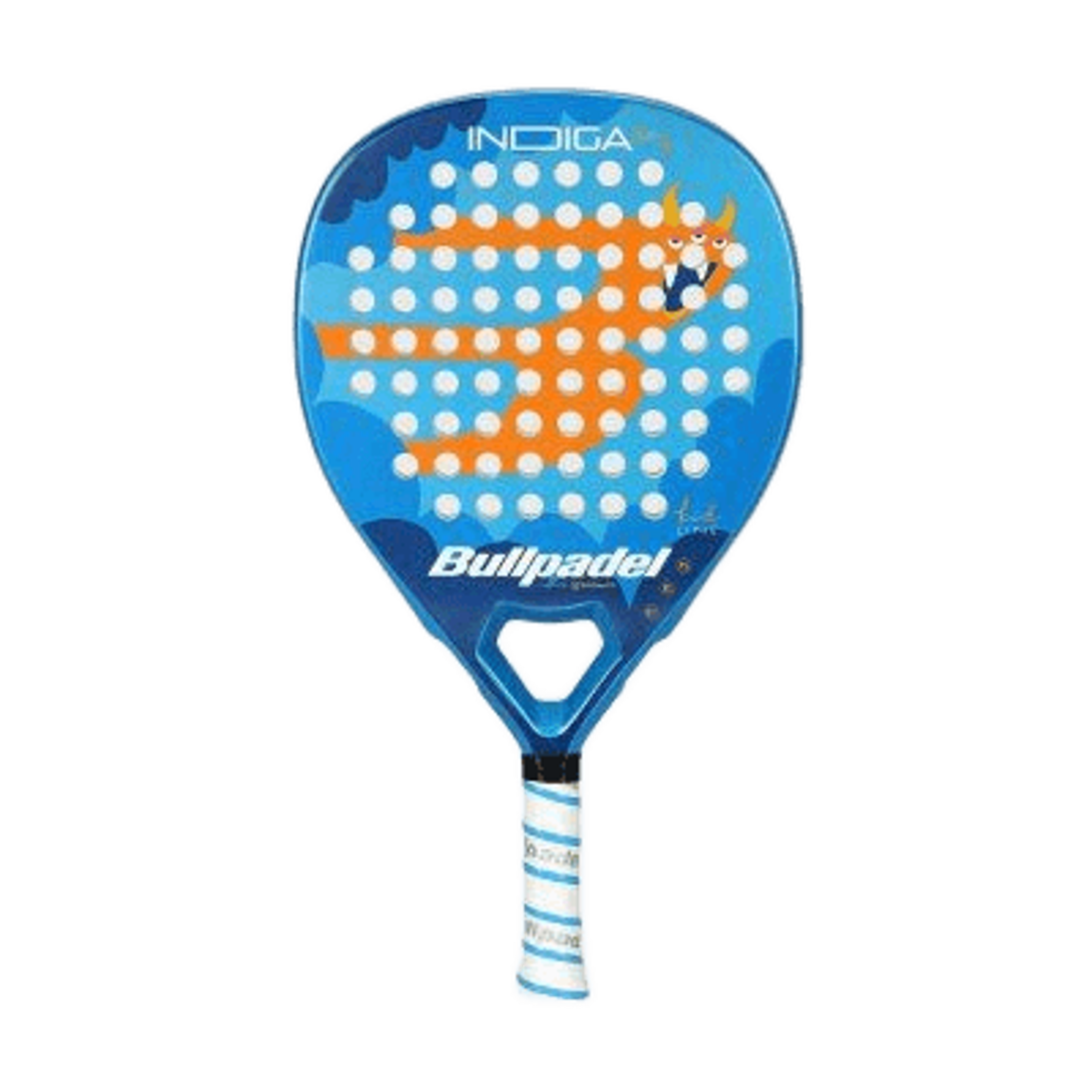
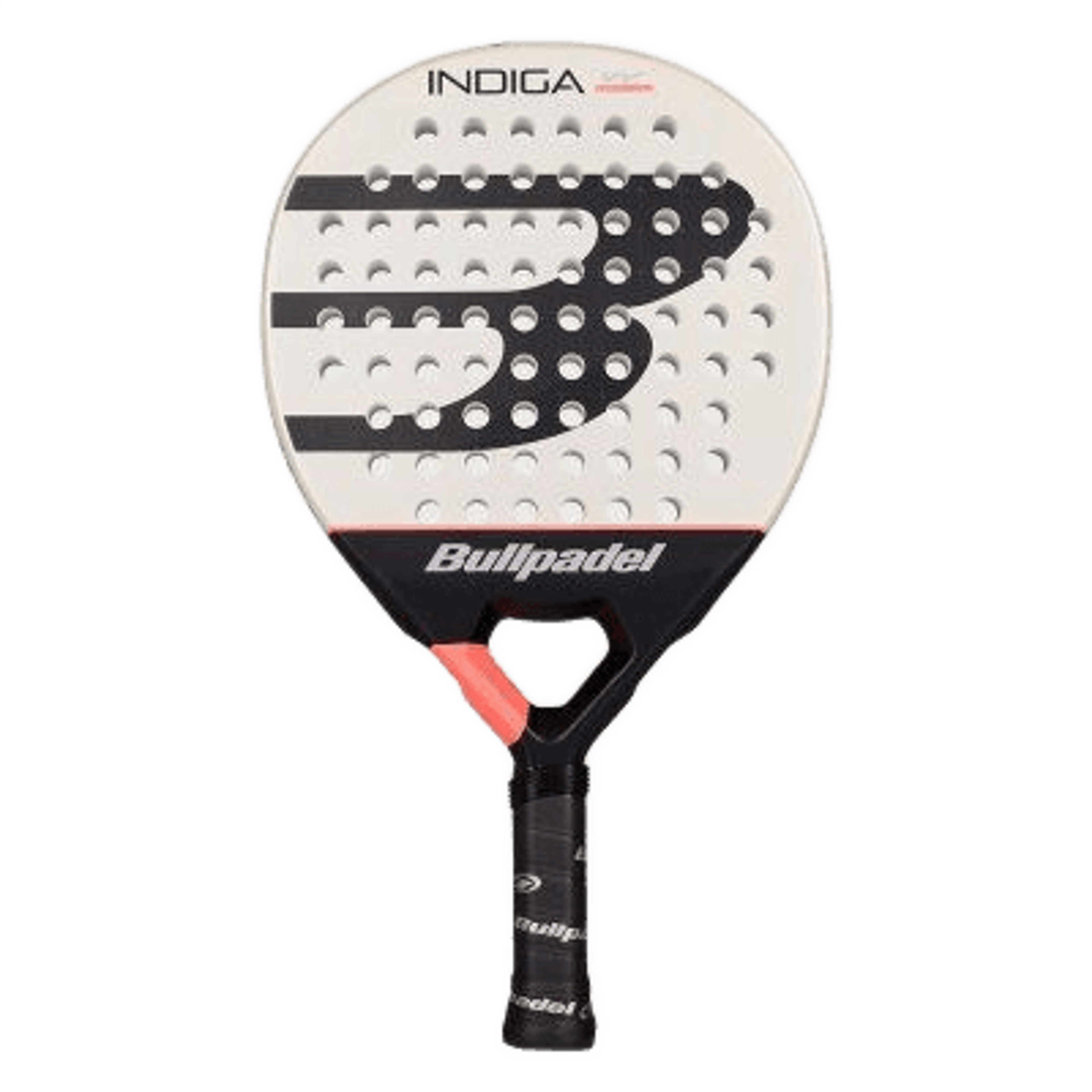
Top beginner padel rackets this season

Which shape should a beginner buy?
Shape decides how forgiving the racket is. For your first frame, that matters more than anything else.
Round
Widest sweet spot, head-light balance. The most forgiving frame — exactly what you want while your contact is still inconsistent.
See round rackets →Teardrop
A good option if you have a racket-sports background or expect to progress quickly. Slightly less forgiving, a little more pace.
See teardrop rackets →Diamond
The small, high sweet spot punishes mishits — it needs consistent, flat technique you haven't built yet. Skip it for now.
See diamond rackets →| Spec | What to look for |
|---|---|
| Shape | Round (teardrop if sporty) |
| Balance | Head-light (low balance) |
| Weight | 355–375 g |
| Core | Soft EVA |
Weight overlaps across all levels — most frames sit in the 360–380 g range. The real beginner differentiators are shape and soft core — that's where forgiveness comes from. Head-light balance aids maneuverability and reduces rotational load on the wrist.
Is this you?
The beginner player
- You're still building your swing. Mishits are frequent, and the size of the sweet spot matters more than any other spec right now.
- You play casually or socially — picking it up, not training for matches yet.
- You want a racket that's easy on the arm. Stiffer frames transmit more vibration — players still developing their technique often feel this more.
- You'd rather not overspend until you know padel sticks.
Getting it right at beginner level
What the right beginner spec gives you
- +A large, central sweet spot — mishits still land
- +Arm-friendly weight and a forgiving soft core
- +Faster, more enjoyable progress in your first months
- +A low entry cost while you decide if padel sticks
Common beginner buying mistakes
- ✕Buying a frame that's too rigid for a slow swing — stiffer frames transmit more vibration to the arm, which can add discomfort over time
- ✕Choosing diamond "because the pros use them" — pros generate the swing speed to use that small sweet spot; beginners don't yet
- ✕Spending €200+ before knowing if you'll keep playing
Beginner rackets — frequently asked
What padel racket should a complete beginner buy?
A round-shaped racket with a head-light balance and a soft EVA core. That combination gives the biggest, most central sweet spot and the most comfort — which is exactly what helps while your contact is still inconsistent. Brand matters far less than getting those three things right.
Does the racket actually matter as a beginner?
Yes — but not in the way people think. A forgiving frame won't make you good, but a punishing one (stiff, head-heavy, diamond) can slow your progress and may feel harder on the arm. The right beginner racket simply removes obstacles while you learn; it doesn't add skill.
Round or teardrop for a beginner?
Round for almost everyone starting out — it's the most forgiving. Consider a teardrop only if you come from tennis or squash and already swing cleanly, or if you expect to progress fast and don't want to upgrade soon. When in doubt, round.
What weight should a beginner's racket be?
Around 355–375 g is a sensible range — lighter options exist for beginners and juniors. Weight matters less than balance: a head-light racket feels more manoeuvrable and places less rotational load on the wrist than a head-heavy one of the same weight. Prioritise head-light balance over chasing a specific number.
What's the difference between a beginner and intermediate frame?
Mostly shape and balance, not weight. Beginner frames are round and head-light for maximum forgiveness; intermediate frames shift toward teardrop and a slightly more even balance, trading some forgiveness for more pace and control as your technique becomes reliable.
Brands for beginners
Where each brand fits if you're just starting — click to browse that brand's beginner-friendly rackets.




Explore by shape
Other levels