
Diamond Padel Rackets: What They Are & Which Brands Make Them
The widest point sits high in the head, pushing the sweet spot up toward the tip and the balance toward the frame's top — the most demanding, highest-power shape in padel.
The mechanics
What makes a diamond racket different?
- The sweet spot sits high, near the tip — smaller and more demanding, but it delivers maximum power.
- Weight is concentrated in the head (high balance), putting more mass behind the ball on the smash.
- It's the most aggressive, attacking shape — built for finishing points from the net.
- Best for: advanced players with clean technique who play an aggressive, offensive game.
Round vs. Teardrop vs. Diamond
The three shapes describe where the weight and sweet spot sit — which is what actually changes how a racket plays. Here's how diamond compares.
Round | Teardrop | Diamond | |
|---|---|---|---|
| Sweet spot | Centered & low — largest, most forgiving | Middle of the face — balanced reach | High, near the tip — smallest, demands precision |
| Balance | Toward the handle (low) | Even / medium | Toward the head (high) |
| Control | Highest | Balanced | Lowest — favours power |
| Power | Lowest — you supply it | Moderate — balanced | Highest — maximum put-away |
| Forgiveness | Very high | Medium | Low — punishes mishits |
| Best for | Beginners, defenders, all-rounders | All-court, intermediate–advanced | Aggressive, advanced–pro |
Shape is only one of three independent levers — balance, core hardness and weight also determine how a racket plays.
No shape is perfect
No shape is "best" — each is a set of compromises. Here's what you're really signing up for with a diamond racket.
✓ Advantages
- +The most power and put-away of any shape on the smash
- +A head-heavy feel that drives through the ball
- +Rewards aggressive, finish-at-the-net play
- +The frame of choice for most attacking pros
⚠ Disadvantages
- –The smallest, highest sweet spot — least forgiving on mishits
- –Demands clean technique and timing
- –Harsher on the arm — more shock on off-centre hits
Diamond rackets by brand
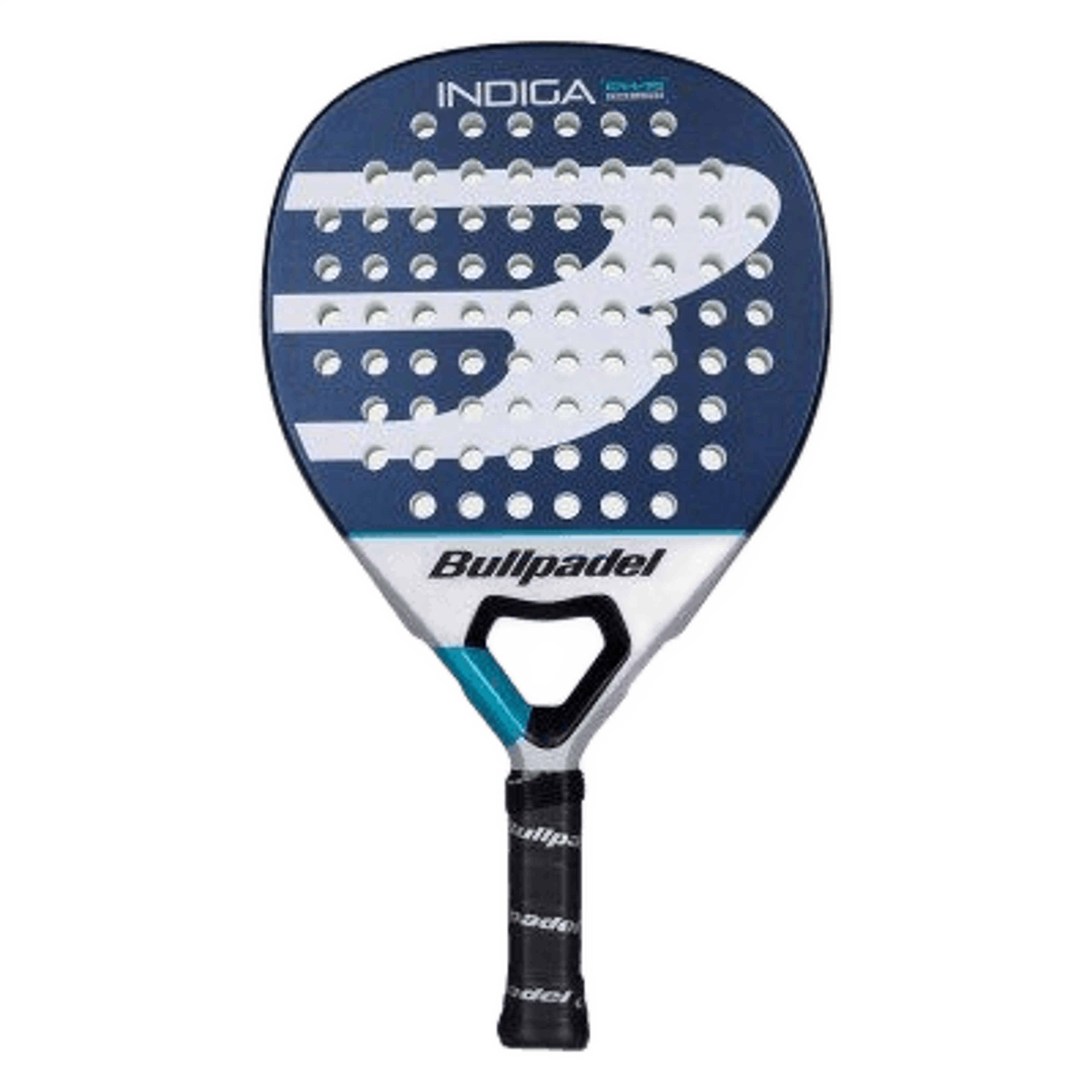
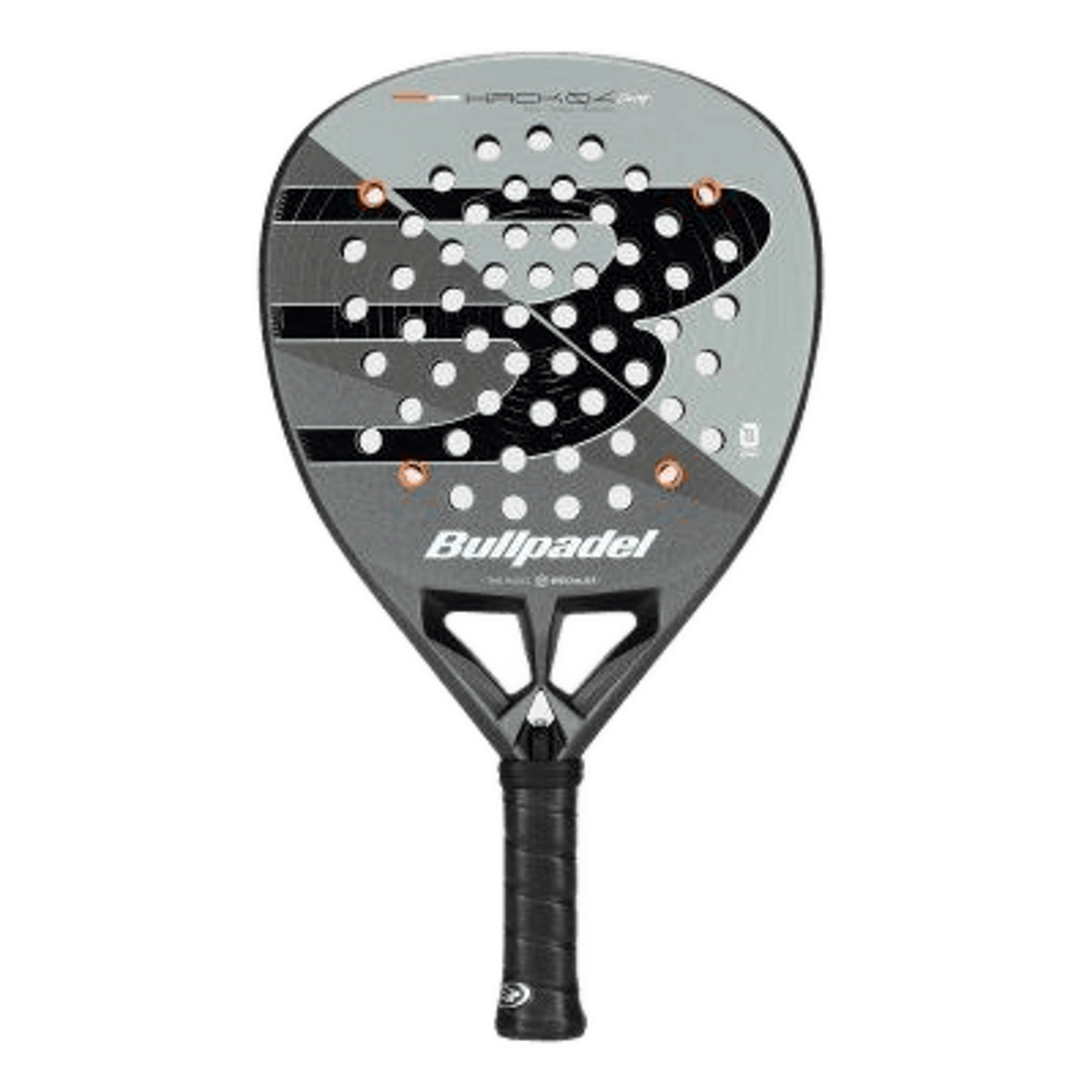
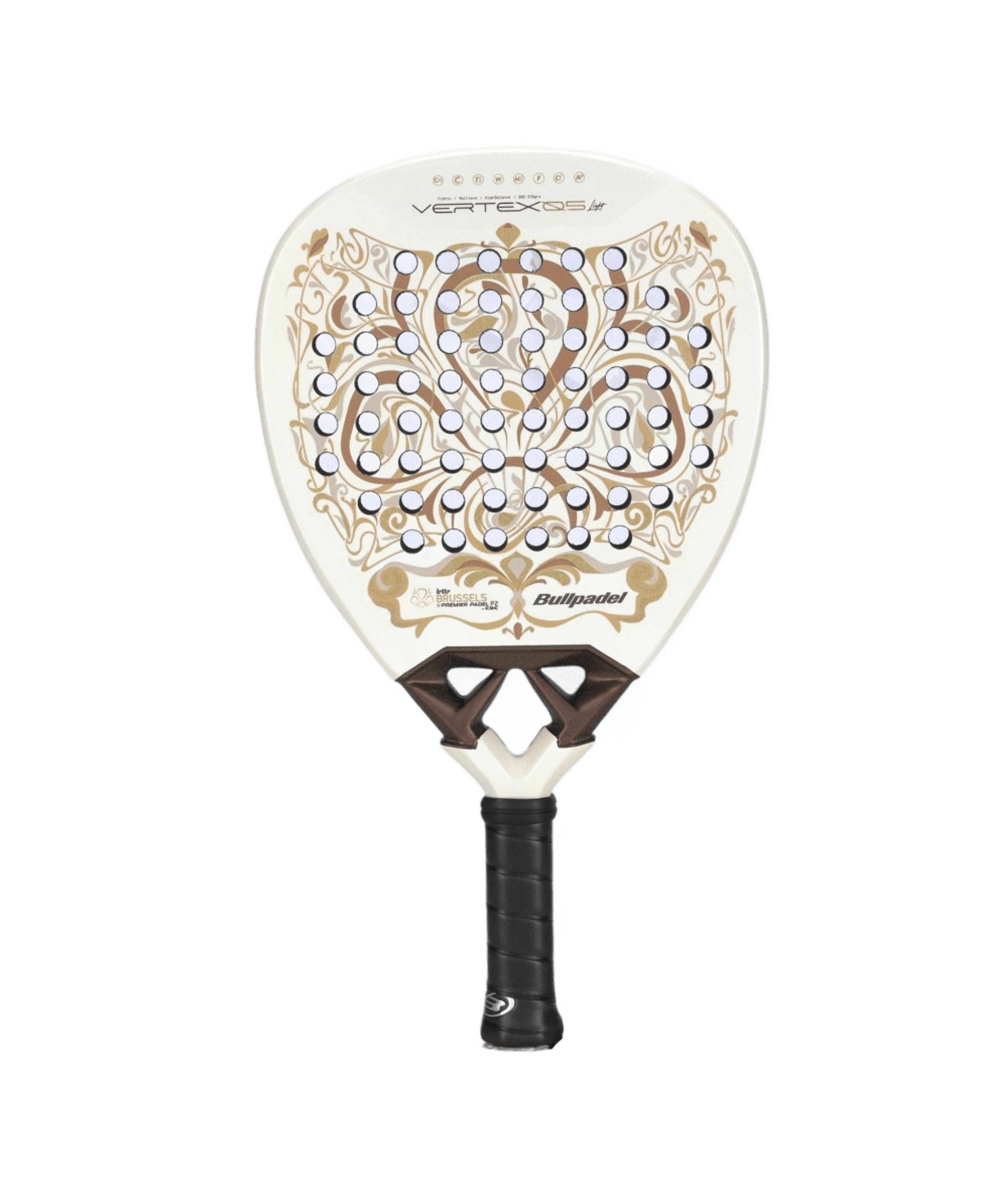
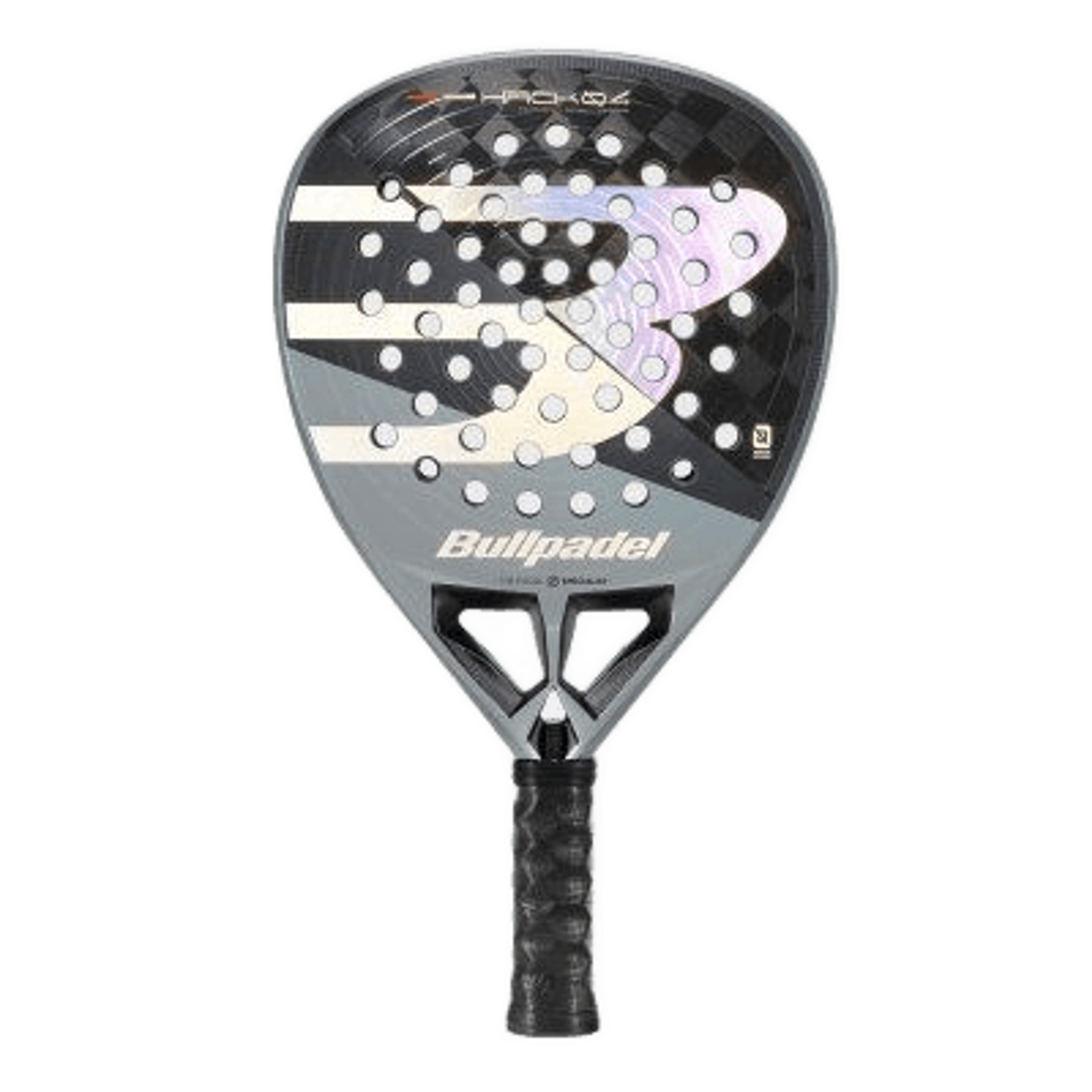
4 brands carry diamond models — click any brand to browse their catalog filtered to diamond rackets only.




Beyond the shape
How to choose your diamond racket
01
Weight
Diamonds reward a bit more weight — 365–375 g — to stabilise the head-heavy balance and add mass to the smash. Lighter diamonds exist but give back some of the power advantage.
02
Balance
Diamond balance sits high, around 275–290 mm from the handle. That head weight is the power — but it's also what demands timing and a strong, healthy arm.
03
Core hardness
Most diamonds pair the shape with a hard EVA core for maximum response and pace. A softer core takes some sting off the arm but blunts the shape's main advantage.
04
Face material
Carbon (12K/18K/3D) faces dominate here — the stiffness transfers your swing into ball speed and survives the high-impact play diamonds invite.
Diamond rackets — frequently asked
Are diamond rackets only for advanced players?
Largely yes. The high balance and small, high sweet spot demand clean technique and a strong, healthy arm. Beginners will mishit often and risk strain — a round or teardrop is a better place to build your game before moving to a diamond.
Do diamond rackets cause tennis elbow?
They carry more risk than softer shapes. The head-heavy balance and hard cores transmit more shock, especially on off-centre hits. If you're prone to elbow issues, a round or a soft-core teardrop is far kinder — don't force a diamond.
Diamond vs teardrop — is the power difference big?
Noticeable but not night-and-day. A diamond clearly wins on the smash and put-away power, while a teardrop keeps more control and forgiveness. If you don't finish a lot of points with overheads, a teardrop's versatility usually serves you better.
Round, teardrop or diamond — which should I pick?
Round for control, comfort and forgiveness while learning. Teardrop for an all-court blend of power and control. Diamond only if you're an advanced, aggressive player with clean technique and a healthy arm who wants maximum finishing power.