
Player level · Professional
Professional Padel Rackets: Tour-Level Frames & What Makes Them Different
"Professional" here means advanced, competitive recreational players — not FIP Tour pros. These are the highest-spec frames on the market: what actually separates them, who they're for, and how to read the specs instead of the marketing.
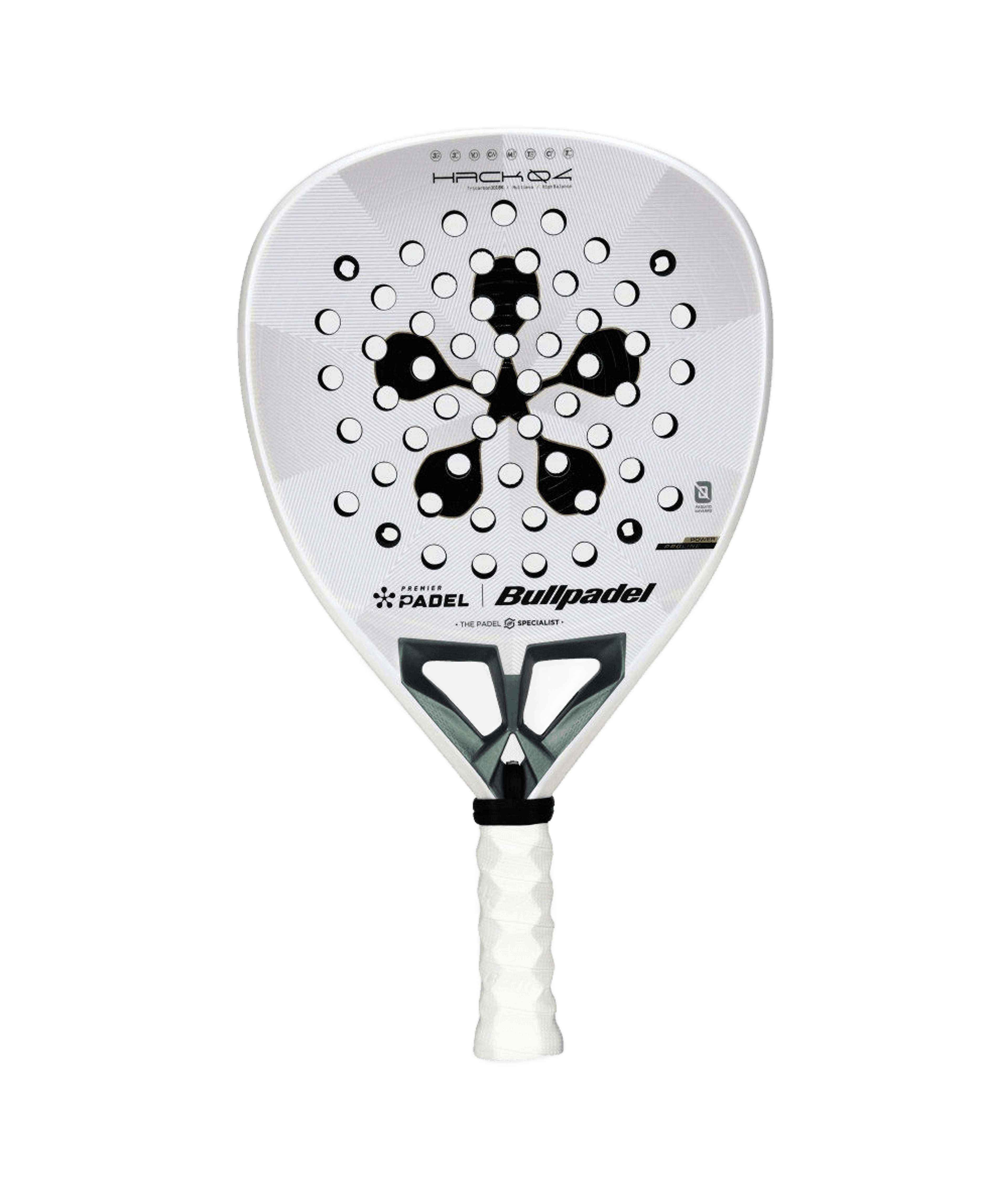
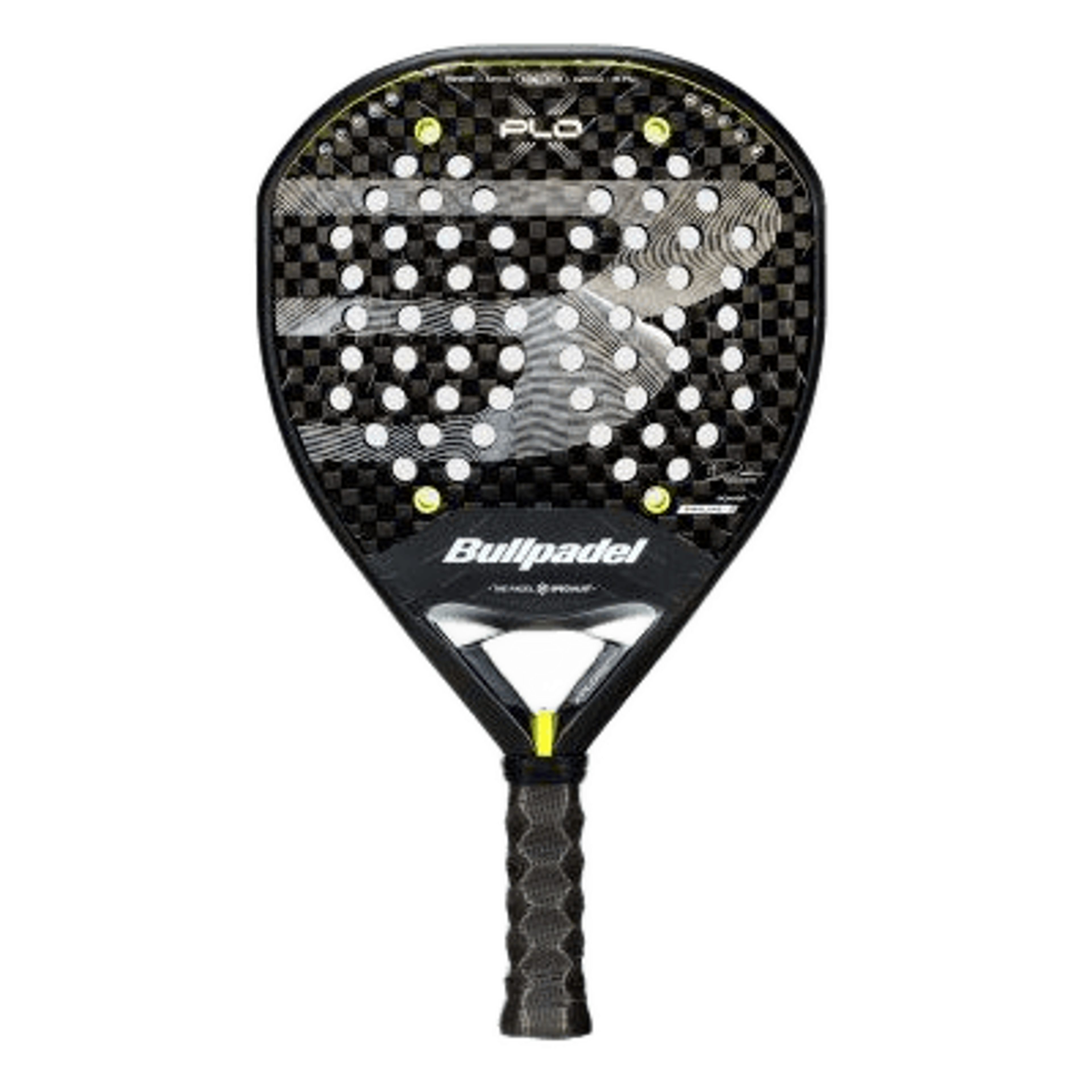
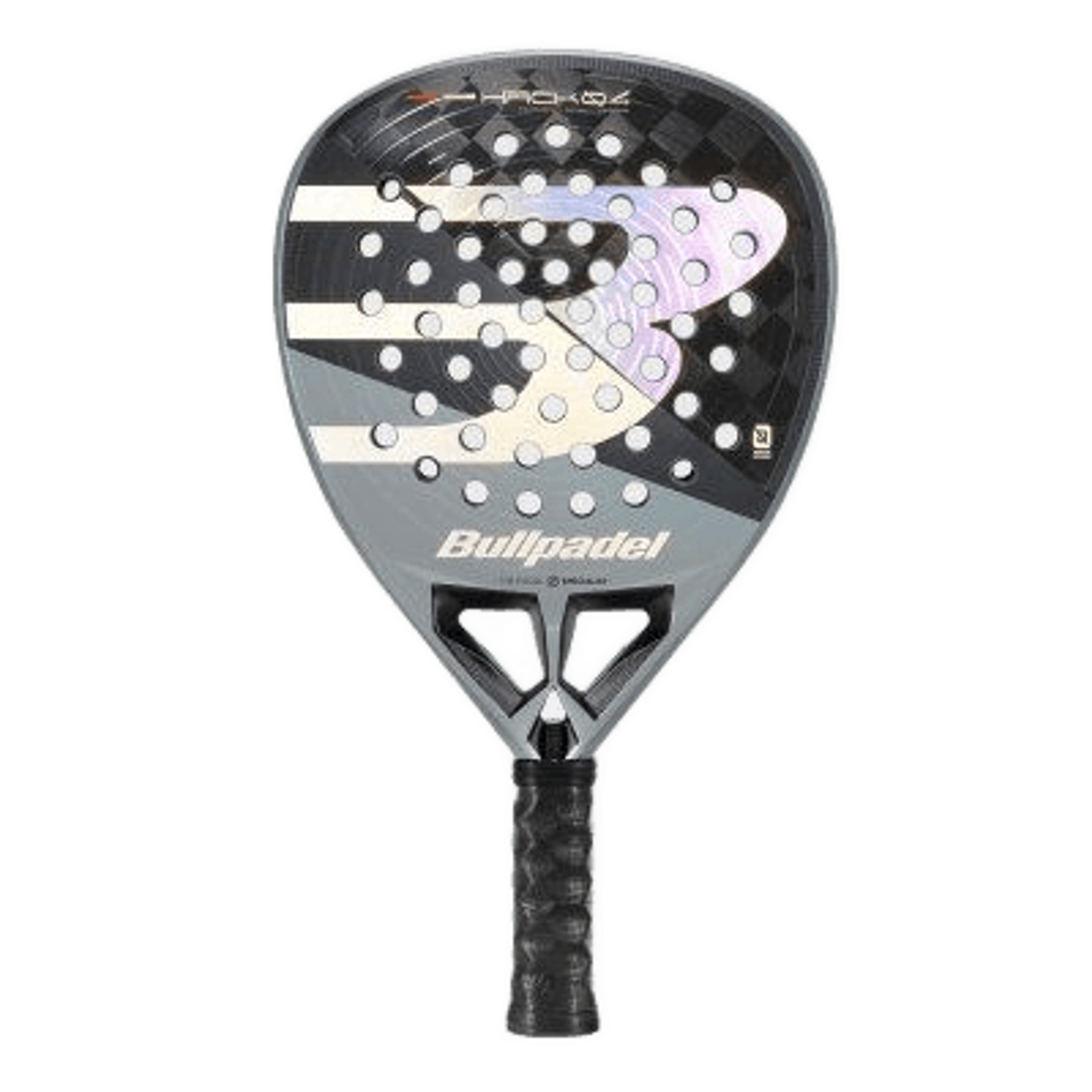
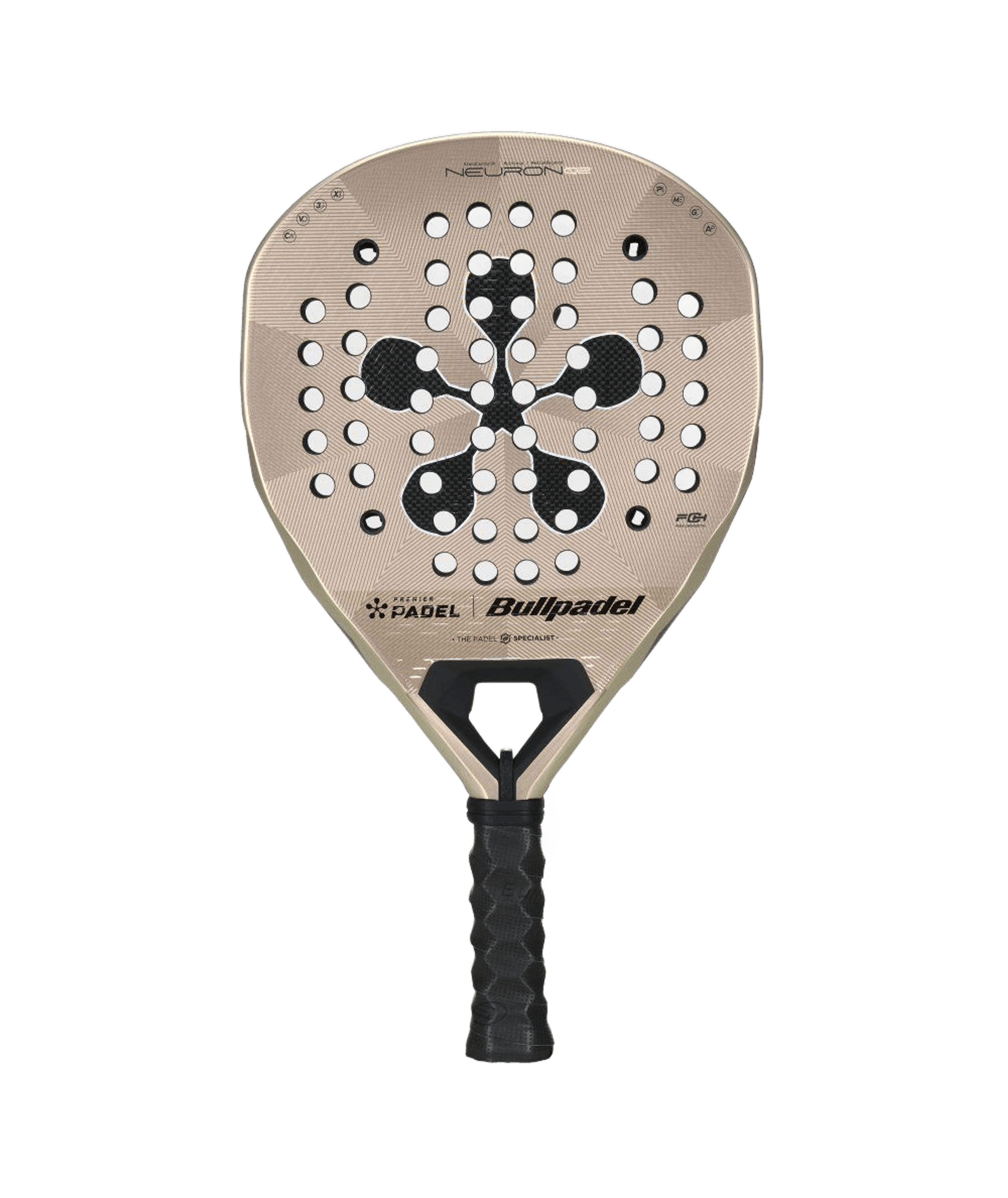
Top professional-spec padel rackets this season
Which shape at professional level?
At this level all three shapes are viable. The question is which fits your specific game style and swing.
Round
Chosen by defensive and control-first players at every level — placement, touch and a bigger margin when the rallies get fast.
See round rackets →Teardrop
The most common tour choice — blends pace and precision, and adapts to every position on the court. The safe default at this level.
See teardrop rackets →Diamond
Rewards attacking, net-aggressive players with fast swing speed. At this level the small sweet spot is an asset, not a liability.
See diamond rackets →| Spec | What to look for |
|---|---|
| Shape | Any — follows play style |
| Balance | Depends on shape and style |
| Weight | 365–375 g |
| Core | Hard EVA |
Even at the top, weight sits in the same ~360–380 g band. A professional-spec frame is defined by premium materials, a hard core and precise balance — not by being heavier.
Is this you?
The professional-level player
- You generate pace through technique — you're looking for precision and a specific feel, not a general recommendation.
- You compete or train seriously and you already know your shape, balance and core preferences.
- You choose a frame to fit your swing pattern, and you can feel small differences in balance and core.
Getting it right at professional level
What the professional spec gives you
- +The maximum spec available — top carbon, hardest cores
- +Precise feel and response that rewards elite technique
- +Exact balance tuned for your swing style
- +Durability and materials that hold up under intensive play
Common professional-tier buying mistakes
- ✕Chasing pro signatures instead of reading the actual frame specs
- ✕Assuming the retail version matches what tour players use — sponsored players often use custom-tuned frames; retail versions frequently have a harder core than the tour variant
- ✕Buying professional-spec if your technique isn't ready — it won't add power you don't already create, and it'll be less forgiving
Professional-spec rackets — frequently asked
What separates a professional-spec racket from an advanced one?
Less than the marketing suggests. The differences are at the margins: higher-grade carbon layups, more tightly controlled balance points, and harder, more responsive cores. They reward elite technique with feel and precision — but a strong advanced frame and a pro frame can play very similarly.
Do competitive players actually use the rackets they endorse?
Often not the exact retail version. Sponsored players frequently use a custom-tuned frame — different core hardness, balance or weight — under the same paint. The retail model often has a harder core than the tour frame, so buy on the published specs, not the player's name.
Is a professional-spec racket right for me if I'm not competing?
Only if you generate your own pace and make consistently clean contact. A pro-spec frame won't add power you don't already create — it'll just be less forgiving and harder on your arm. If you have the technique and want the feel, it can be worth it; if you don't, an advanced frame is the smarter buy.
What core hardness do most high-level players use?
A hard EVA, but not necessarily the hardest available — many tour frames use a slightly softer core than their retail twin for comfort over long matches. The right hardness is the firmest you can swing repeatedly without losing feel or straining your arm.
How do I know if I'm ready for a professional-spec frame?
You're ready when you can feel the difference between two similar frames, you hit the middle of the face nearly every time, and your current advanced frame feels like the limiting factor. If you can't yet articulate what you want changed about your racket, an advanced frame will serve you better.
Brands for professional-level players
Where each brand fits at the top of the market — click to browse their pro-spec range.




Explore by shape
Other levels